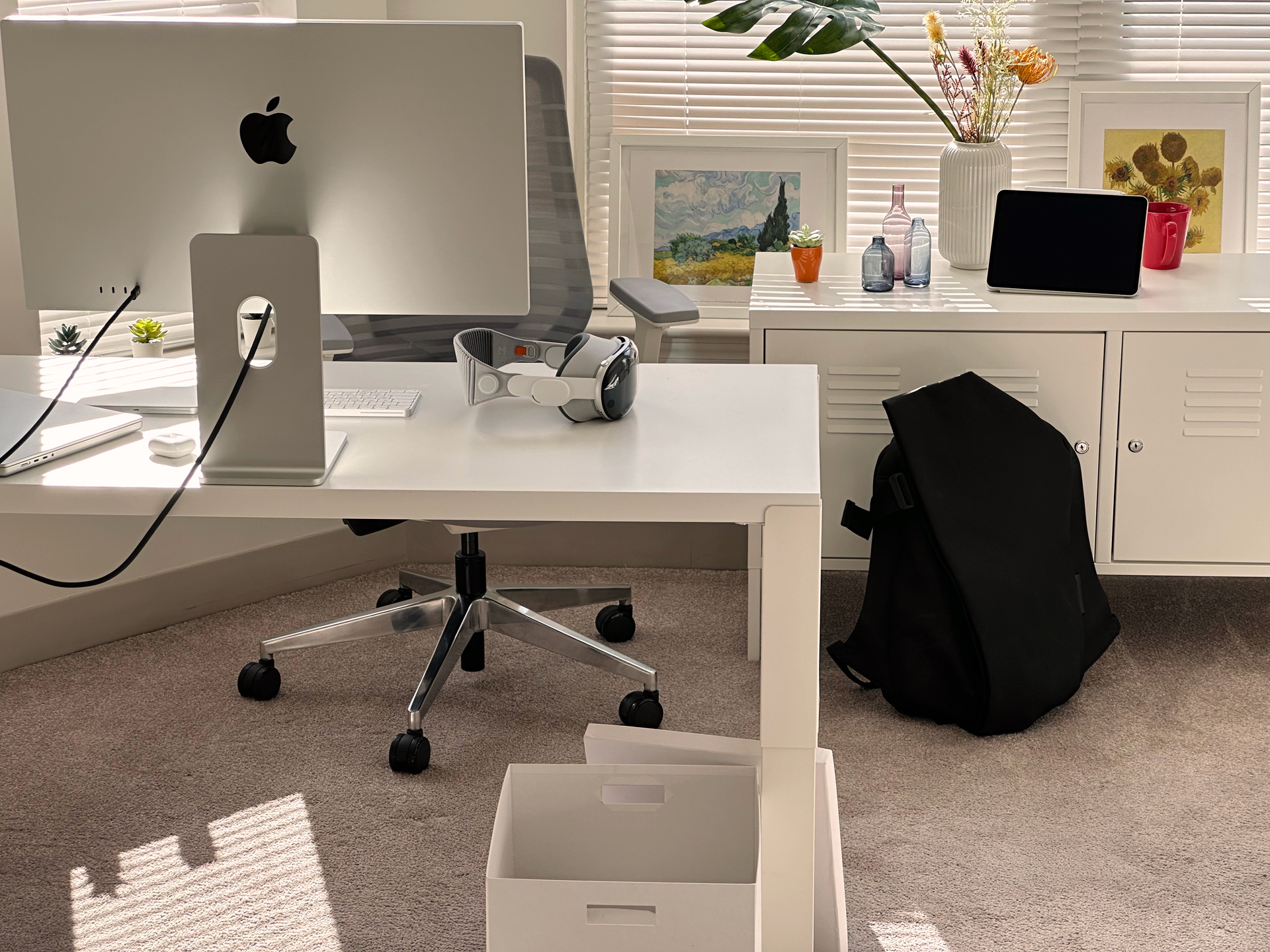
Who I am, and what brought me here
你好 Nǐ Hǎo,
I’m a Product Designer focused on building web‑based tools that make complex systems feel intuitive and easy to use. With over seven years of experience in IT infrastructure and related fields, I’ve led the design of web interfaces for users with varied backgrounds.
When I’m not working, I love hiking in nature and talking with people from different fields. Feel free to scroll down to read my story, and if you’re into travel, I’d love to chat!

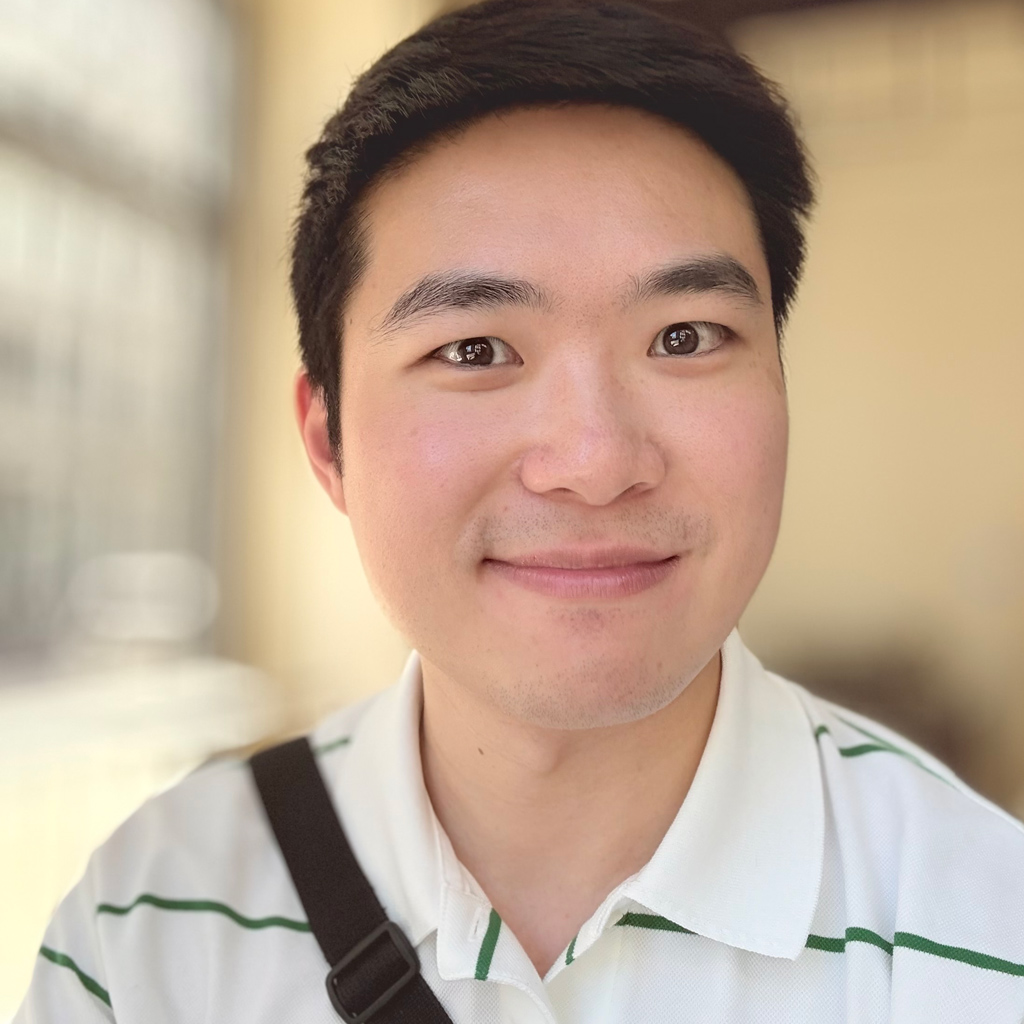
2001 — A Flower Made of Lines
In first grade, Information Technology was my favorite subject. At that time in China, computers were still rare, and each machine had to be shared by two students.
The first time I opened Microsoft Paint, I carefully moved the ball mouse with trembling hands and drew a flower that was almost made of straight lines.

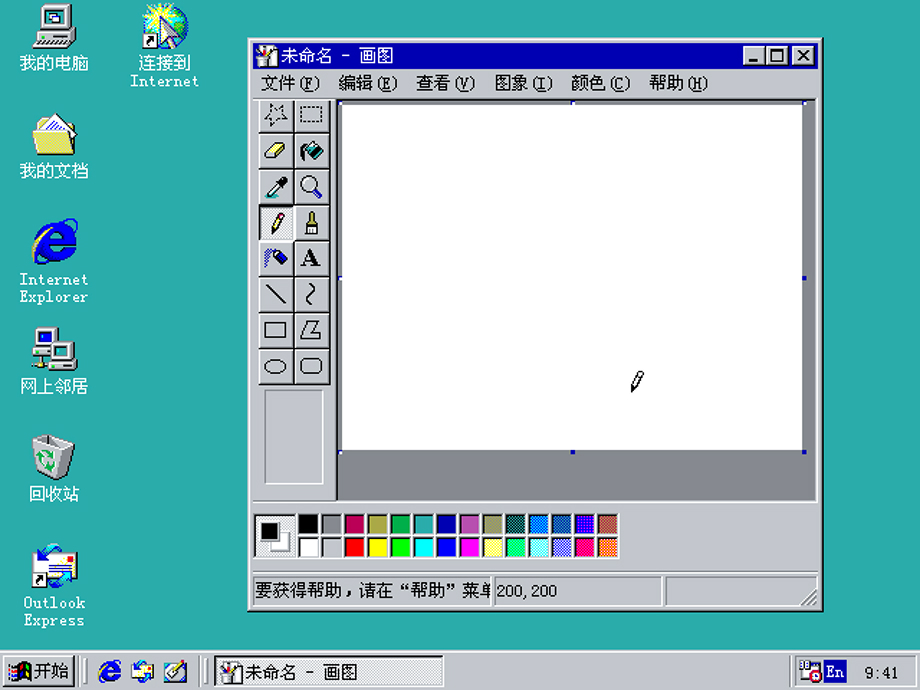


Near my school, I saw a translucent computer for the first time. I placed my small hand on its outer shell. I didn’t know it was an iMac. I just knew I wanted to be close to it.
Looking back, I realized that the phrase “Digital Fujian” printed on our textbook cover was part of one of China’s earliest regional strategies for digital development. That little flower became not only a product of its time, but also the beginning of my encounter with computers.
So you’re from Fujian?
When people hear I’m from Fujian, they often ask, “Is Xiamen the capital?” I gently correct them: it’s Fuzhou. That’s the coastal city where I grew up. A thousand years ago, ships departed from its harbor toward the world, opening routes of cultural exchange.
Because of regional reasons, I speak with a Taiwanese accent. My classmates in northern China would often imitate it and make fun of me. Maybe it’s also because of geopolitics and geography that our region received relatively fewer resources.

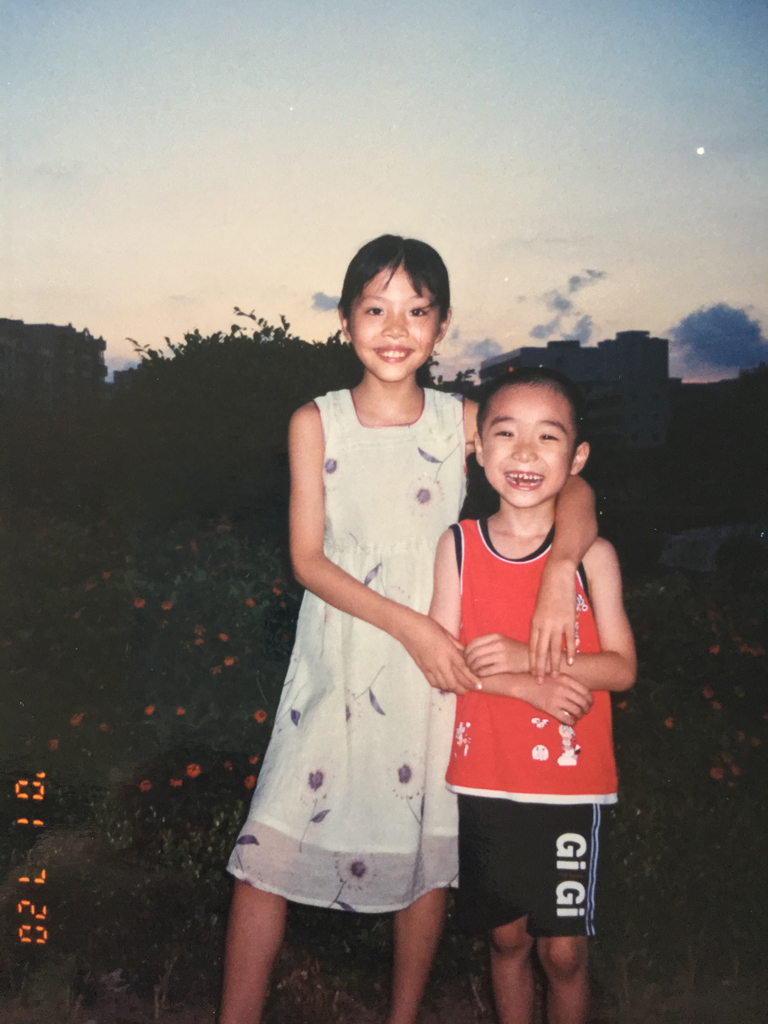
Me and my Taiwanese cousin (2001).
But that also meant people from Fujian developed a tough spirit early on. We are used to stepping out into the world, moving abroad, and building everything from scratch. So yes, I am a Fujian boy through and through. It’s in my blood.
3 Years Without Internet
In third grade, my family bought our first computer. But not long after, the modem broke. My parents thought I should spend more time studying. So the repair was put off indefinitely.
Without internet, I immersed myself in the operating system and accidentally saved offline web pages. I longed to connect. I wanted to open a real webpage. I wanted to create that kind of experience myself.
One day, I tried to activate the speech recognition feature, and the system asked me to read two texts aloud. One was a Microsoft cultural introduction, and the other was a speech by Bill Gates. I was deeply drawn by the values they described. That was when I realized:
I wanted to go to the U.S. and design software experiences.
— Me at 9 years old
For a long time, those words were like a lighthouse in my heart. They reminded me that I could live by the values I believe in, because that seemingly ideal world does exist. Somewhere on the other side of the world, there are people who believe too.
But What’s My Path?
In middle school, I was selected for an advanced programming camp because of my academic performance.
But the textbook was filled with nothing but code. No interfaces, no users, no people. I struggled to follow the logic of algorithms. In the second half of class, I often opened Flash to create joyful little animations.

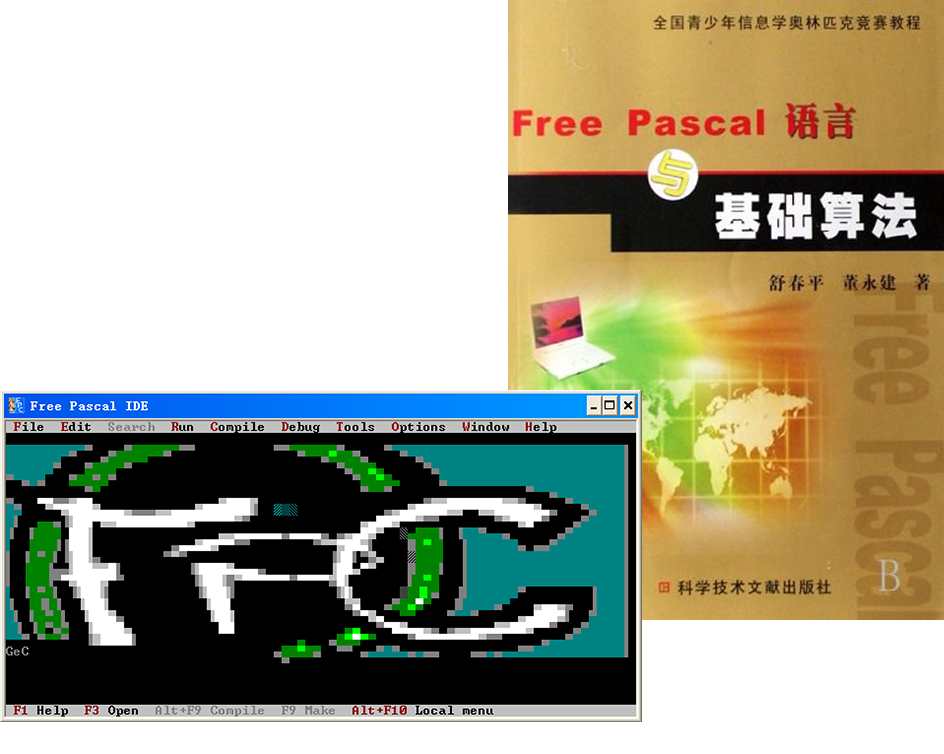
One day, a teacher passed by and stared at the bouncing ball animation I had made for a long moment. He asked, “Did you make this yourself? This is amazing!”
But I knew, this was my quiet resistance to the boredom of bubble sort. I didn’t want to become a programmer. I wanted to design software experience for humans.
“This is useless.
What really matters is the college entrance exam.”
In high school, I joined the school’s literature club because it gave me the chance to design the newspaper, which would be read by whole student body. A classmate once told me there was no point in what I was doing, because only the college entrance exam would ever matter.

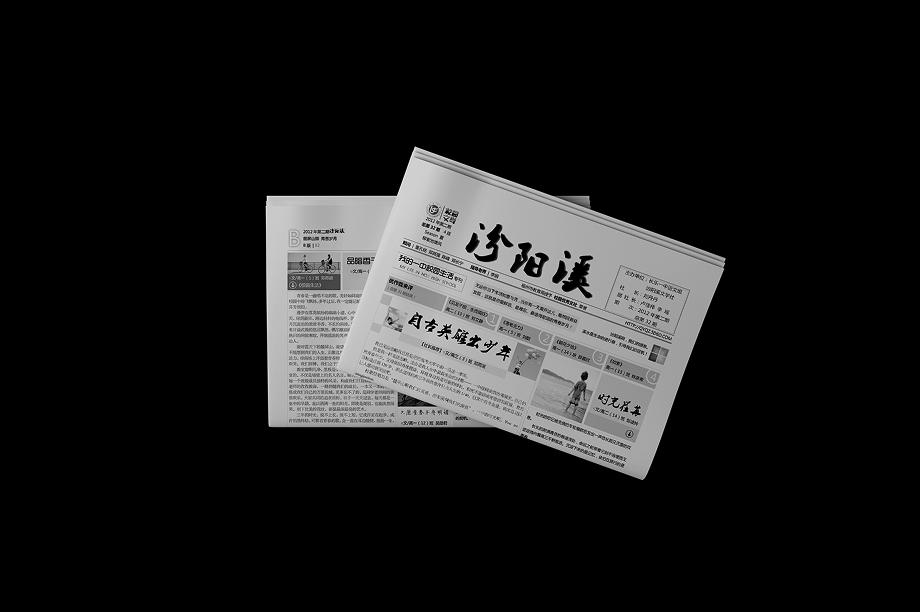
But I stuck with it because I truly loved creating experiences that surprised and delighted people through design. I wanted others to understand how meaningful the creative process could be for the creator.
I knew I had to put more effort into what I loved than others were willing to, and keep practicing and refining until I stood out. I wasn’t just focused on the next test. I was focused on building my life.
College: My First $30K
In my first year of college, I joined Microsoft’s student ambassador program and visited its campuses in Beijing and Shanghai. I realized the culture I had read about as a child was real, and I knew I wanted to enter the tech industry.
Later, I taught myself front-end development and began coding my own web experiences. I created a messaging tool, just for personal use, until one classmate asked, “Can we rent this from you?” That was the moment I realized there was real demand.
I turned it into a commercial product, designed a user service process for it, built a website, and maintained it for three years. Through the end-to-end product and service experience I designed, I earned $30,000.
That experience not only earned me an internship at ByteDance and my first full-time job after graduation, but also convinced me that design thinking could create real value.
Beijing → Boston
After graduation, I briefly collaborated with Nike in Shanghai before moving to Beijing to join an IT infrastructure company.
I was drawn to the company’s strong Silicon Valley mindset and values, which led me to join the team.
I was the second designer on the team and worked closely with both engineers and marketers. I shaped everything from interface logic and design systems to product marketing and branding. In that fast-paced and complex environment, I pushed the quality of our work higher while refining how I thought and operated.
To continue pursuing my dream, I moved to Boston for a master’s program in design.

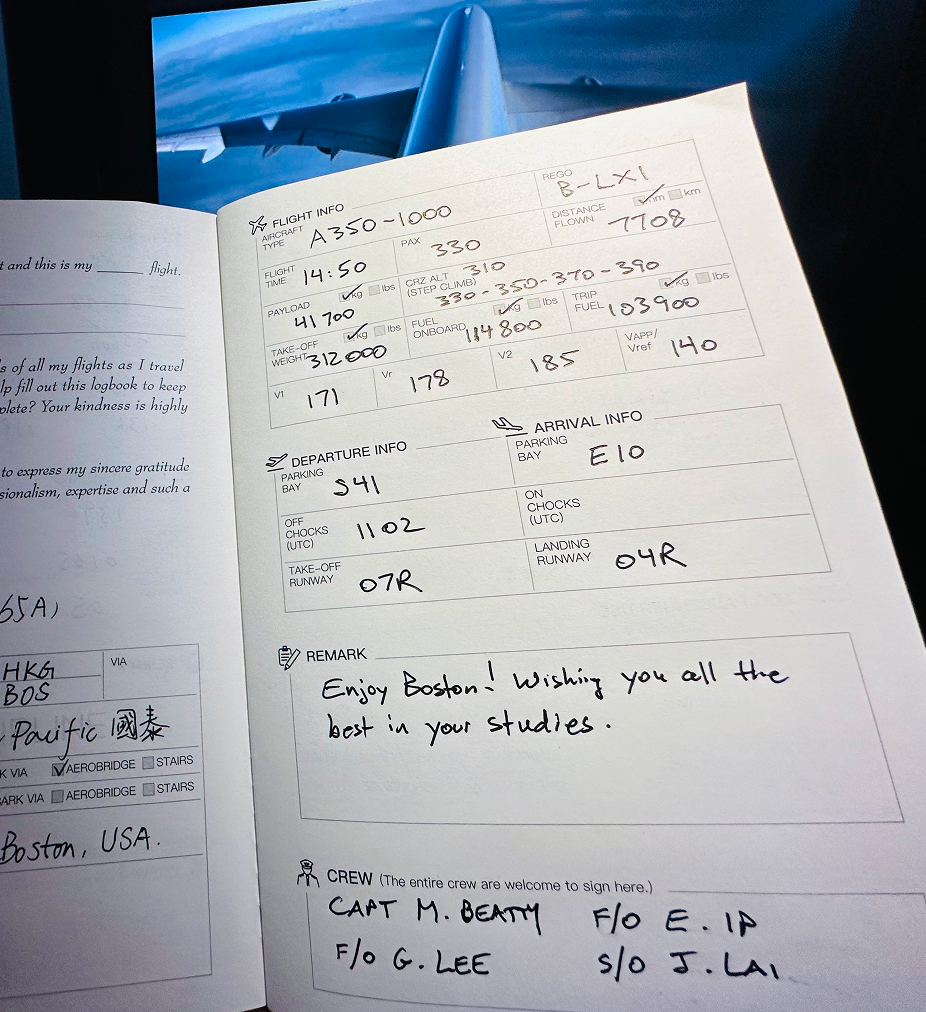
The captain’s message written in my flight log. Cathay Pacific flight CX812, from Hong Kong to Boston.
To my surprise, many of the course discussions addressed the questions I had been holding onto for years. I was deeply grateful. That program sparked a transformation in the way I think.

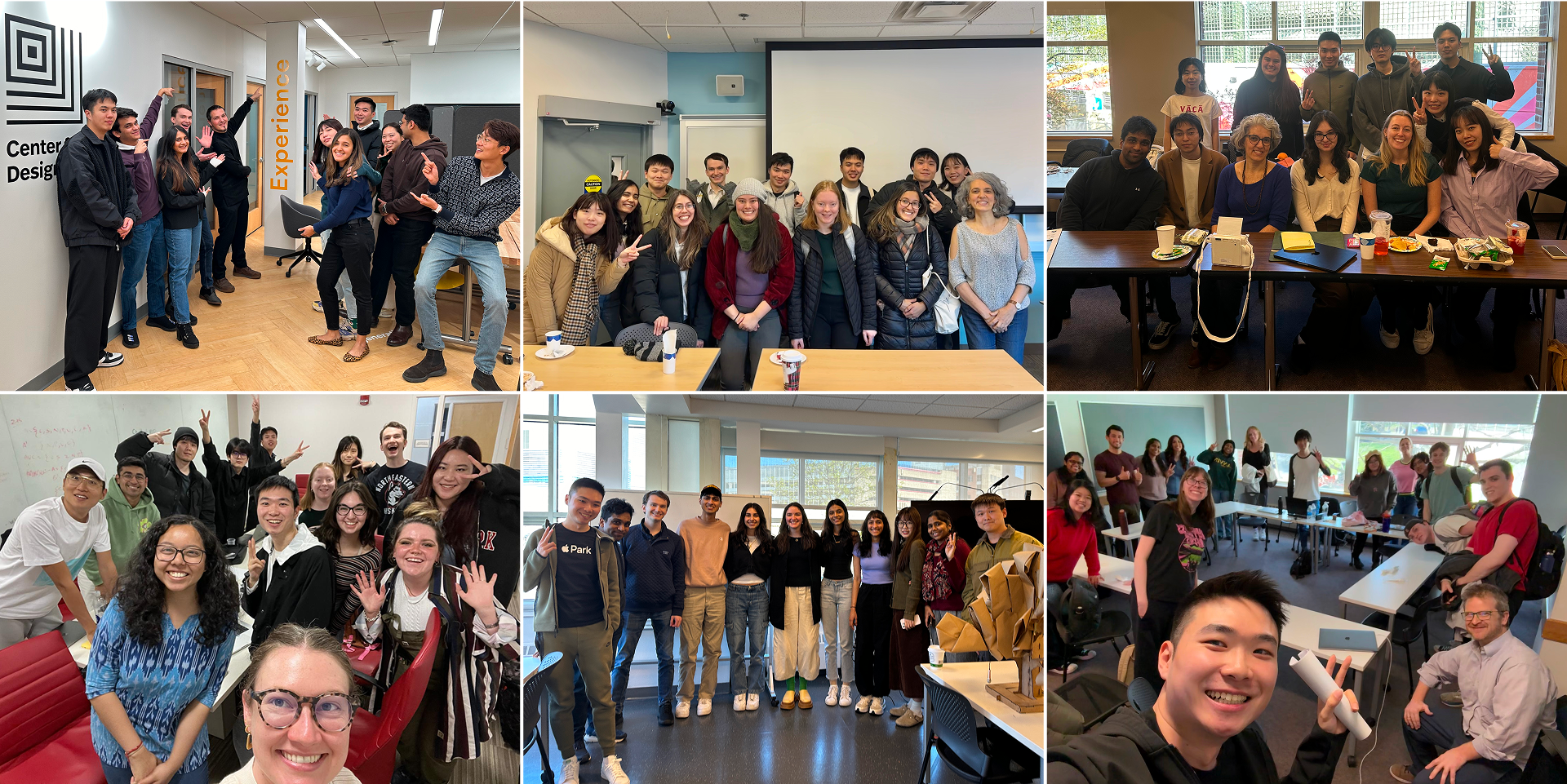
After graduation, I slowly began to outline what would become my design philosophy. It felt like a full-circle moment—my personal graduation gift to myself.
Next Chapter
Sometimes I think of my family, and how they would say over the phone, “We believe in you.” I also think of my middle school teacher, who helped me find my way at a critical moment, my university professors who gave me many opportunities, the friends who stood by me in times of uncertainty, and the people back in China who’ve stayed in touch all along.
Looking back, the road has had its twists and turns. But that’s exactly what makes it mine.
Looking forward, I conduct research and serve others with a more proactive attitude, engage with complexity, and break long-term visions into concrete steps. It may not sound romantic, but this is where I apply design to make things better, and real.